

The evolving landscape of modern dentistry demands equipment that combines versatile compatibility with precision control, particularly in the realm of dental electric motor systems. These external irrigation motors have transitioned from being simple power sources to becoming central hubs capable of driving a wide array of specialized dental handpieces. Their core value lies in a standardized E-type connection interface, which allows seamless integration with various attachments, from a standard dental low speed handpiece for conservative caries removal to a specialized Dental Implant Handpiece for surgical procedures. This universal compatibility, coupled with multiple speed ratios, positions these systems as foundational tools for enhancing clinical efficiency and procedural outcomes across different treatment disciplines, effectively supporting a streamlined workflow in multidisciplinary dental practices.
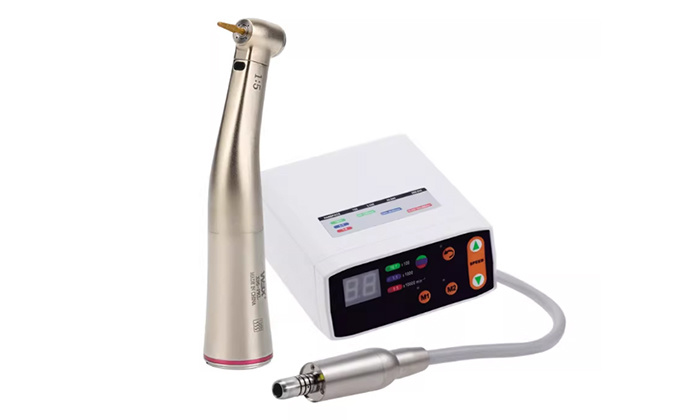
A key feature enabling this versatile compatibility is the system's adjustable speed ratio mechanism, offering clinicians 16:1, 1:1, and 1:5 options. Each ratio serves a distinct clinical purpose. The 16:1 high reduction ratio is essential when paired with a slow speed dental handpiece or a reduction contra-angle, delivering high torque for demanding tasks such as endodontic access cavity preparation, crown removal, or detailed crown and bridge preparations. The direct 1:1 ratio provides a balanced output for general-purpose cutting and preparation with standard handpieces. Conversely, the 1:5 increase ratio is particularly valuable when connected to a speed-increasing handpiece or a dedicated Dental Implant Handpiece, offering the enhanced rotational speed required for precise osteotomy preparation in implantology or for certain high-speed surgical and prosthetic adjustments, all while maintaining critical control.
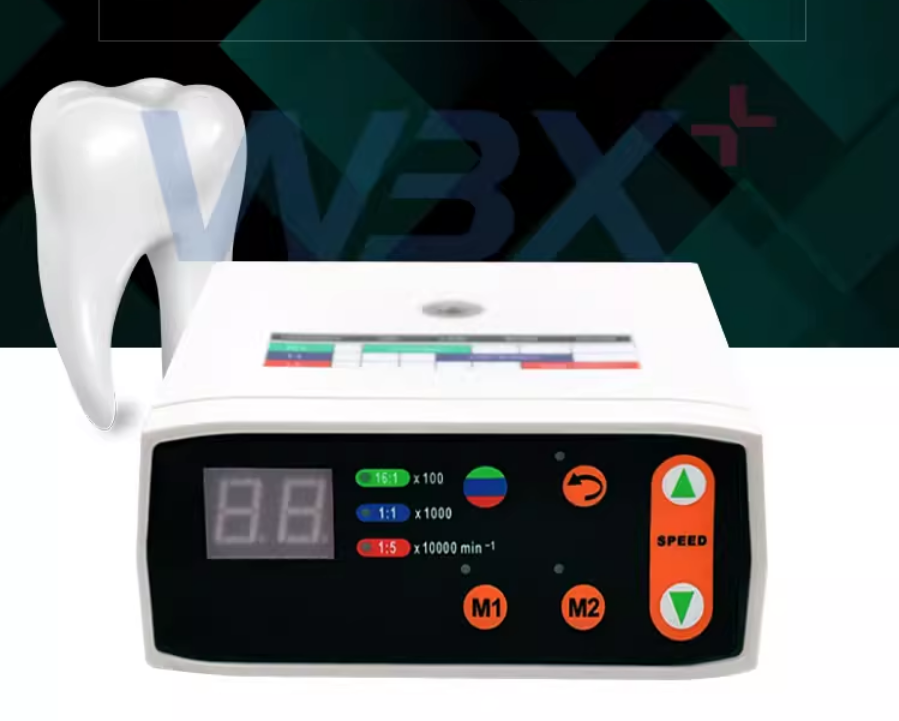
The practical application of this technology shines in the field of minimally invasive dentistry. For intricate adhesive restorations, such as veneer or inlay/onlay preparations, the motor's stable low-speed output is ideally suited for a dental low speed handpiece. This combination allows for precise, selective removal of tooth structure, maximizing the preservation of healthy enamel and dentin. The system's smooth operation and consistent torque are equally beneficial when using a slow speed prophy handpiece for meticulous periodontal debridement or cosmetic polishing, where control and stability directly influence the quality of the finish and patient comfort. This level of precision control is fundamental to achieving predictable, conservative results that align with contemporary adhesive techniques.
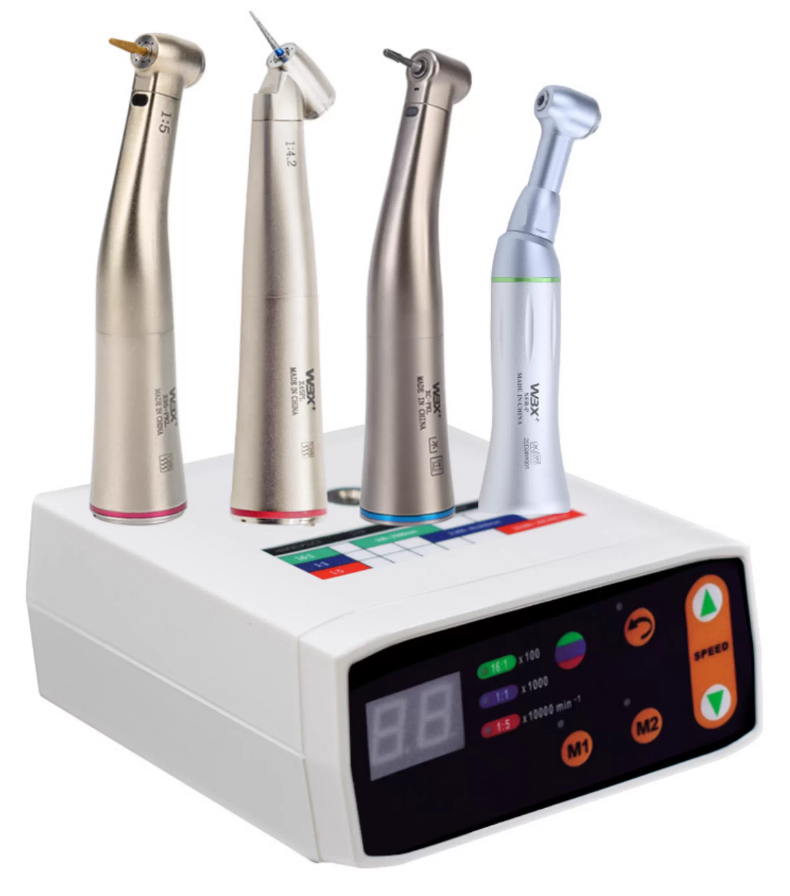
Beyond restorative and preventive care, the system's adaptive performance extends to more specialized procedures. Its ability to power a WBX dental handpiece or similar specialized attachments demonstrates its role in niche applications, potentially including specific surgical or laboratory tasks. The inclusion of forward and reverse rotation further augments its utility, proving advantageous for procedures like screw tightening in implant prosthetics, retrieval of fractured instruments, or during specific surgical techniques. This functional flexibility, underpinned by reliable brushless motor technology and effective built-in water cooling, ensures the system can sustain performance during extended, complex treatment sequences without overheating or loss of power.
In summary, the modern dental electric motor system, characterized by its versatile compatibility and adaptive performance, represents a significant integration within the dental operatory. By serving as a single, reliable power source for a spectrum of devices—from a slow speed prophy handpiece to a high-torque slow speed dental handpiece and a precision-focused Dental Implant Handpiece—it reduces clutter, simplifies training, and enhances procedural fluency. This consolidation of capability supports a wide range of treatments, from minimally invasive dentistry to complex surgery, making it a considered component for practices aiming to optimize their workflow, uphold high standards of precision control, and invest in technology that grows with their clinical service offerings.
Ultimately, the multi-interface dental motor system represents an integrated approach to clinical equipment. By consolidating power sources for various handpieces - from slow speed dental handpiece units to specialized surgical attachments - it simplifies the operatory setup and reduces equipment redundancy. This consolidation supports a streamlined workflow while maintaining the precision control necessary for high-quality dental care across different specialties. The system's design acknowledges the evolving needs of modern dental practice, where flexibility, efficiency, and consistent performance are increasingly valued in delivering comprehensive patient care.
Dental motor system with E-type interface and multiple speed ratios offers versatile compatibility for various handpieces, supporting procedures from minimally invasive to surgical applications.
