In the field of dental implant restoration, doctors often face a practical challenge: different implant systems require different tools, and frequent replacement of instruments during surgery not only affects efficiency but
may also affect restoration accuracy. And now, the emergence of a "full system adaptation planting repair tool box" is quietly changing this situation.
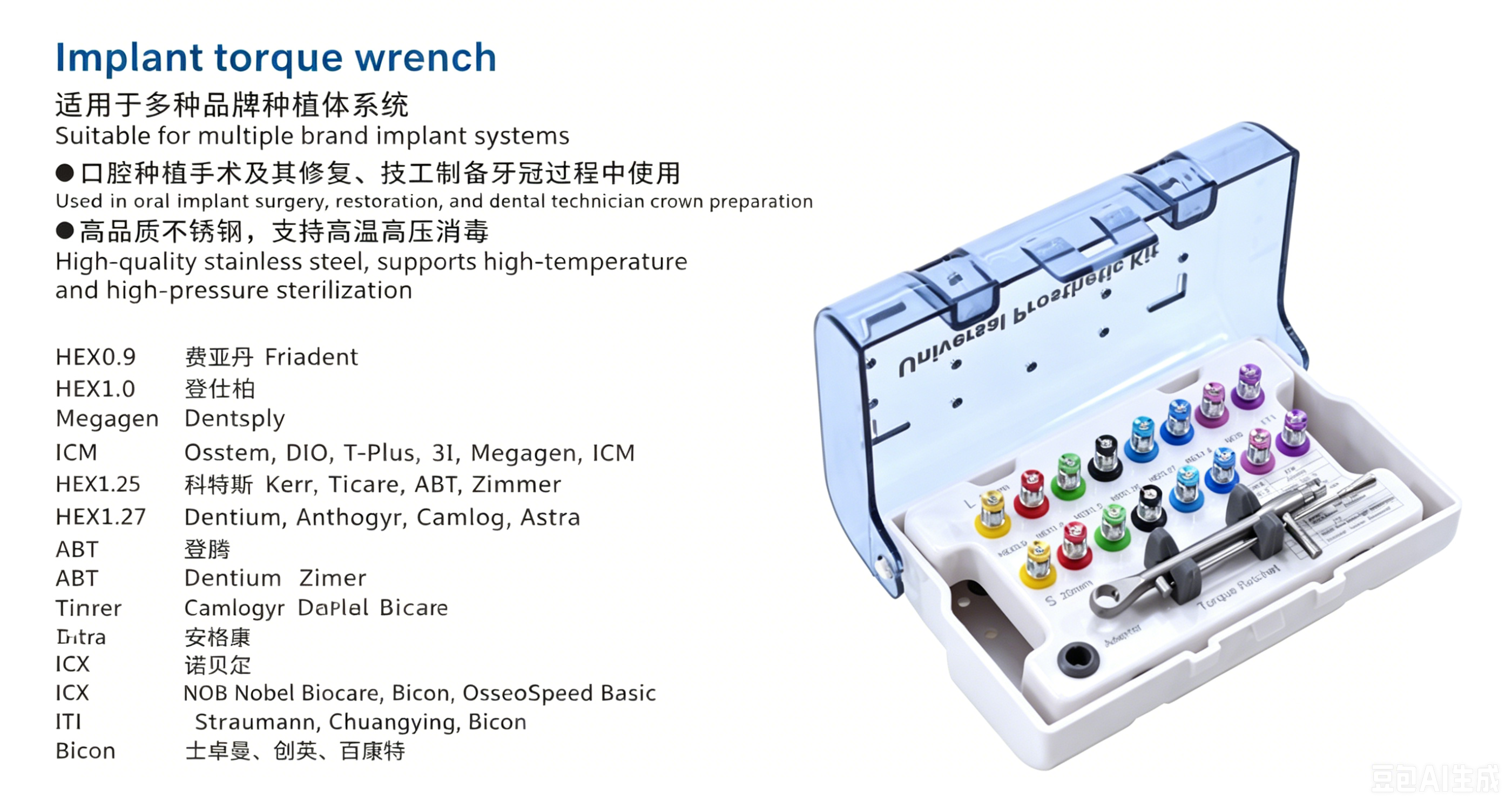
Universal adaptation, covering mainstream planting systems
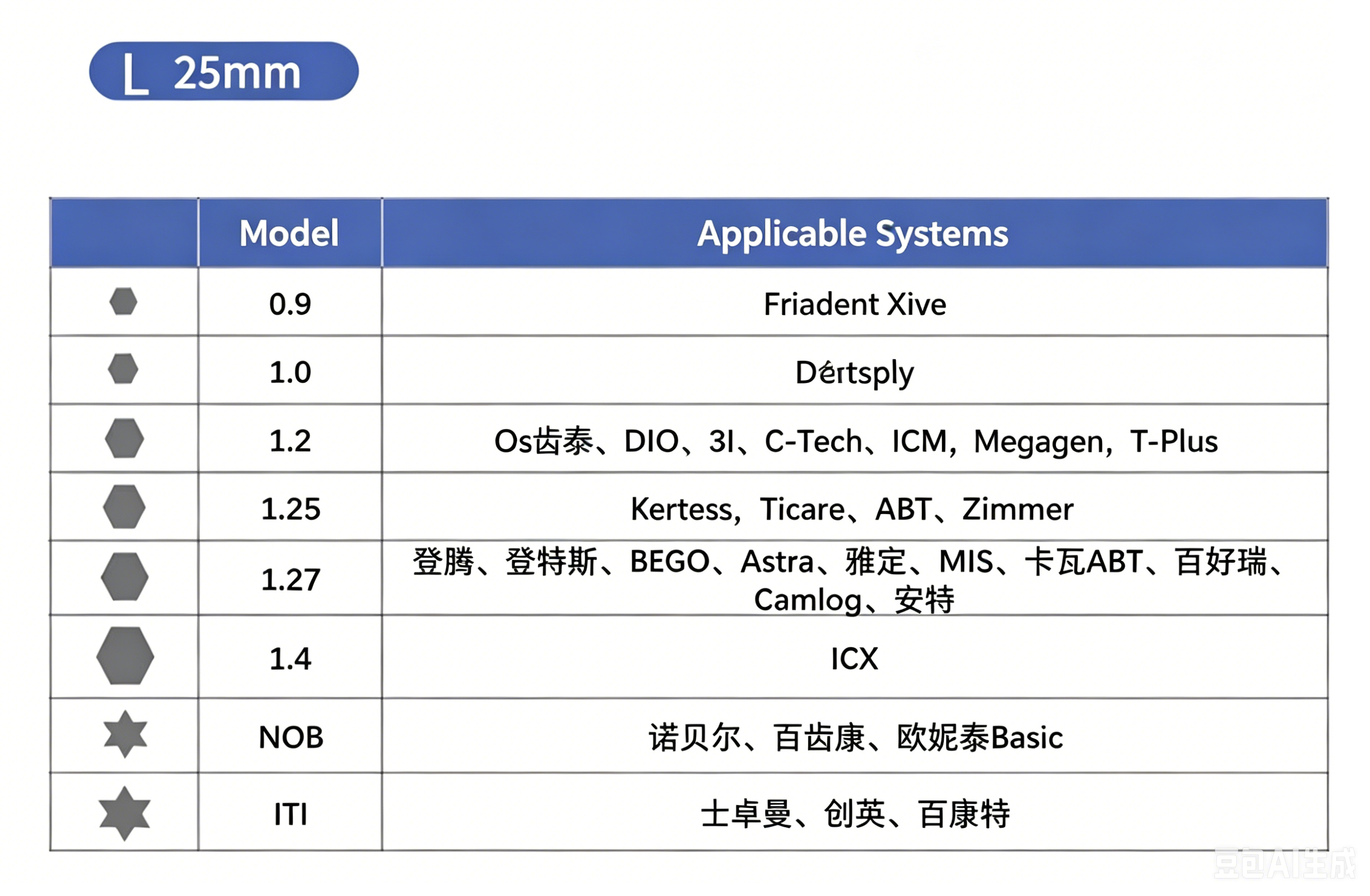
Although this tool box is small in size (only 15cm × 10cm × 6cm), it includes products from Feiyadan, Densheper, Aozitai DICO、3I、 Meige Zhen, to Cortes Ticare、 Specialized wrench interfaces for many mainstream
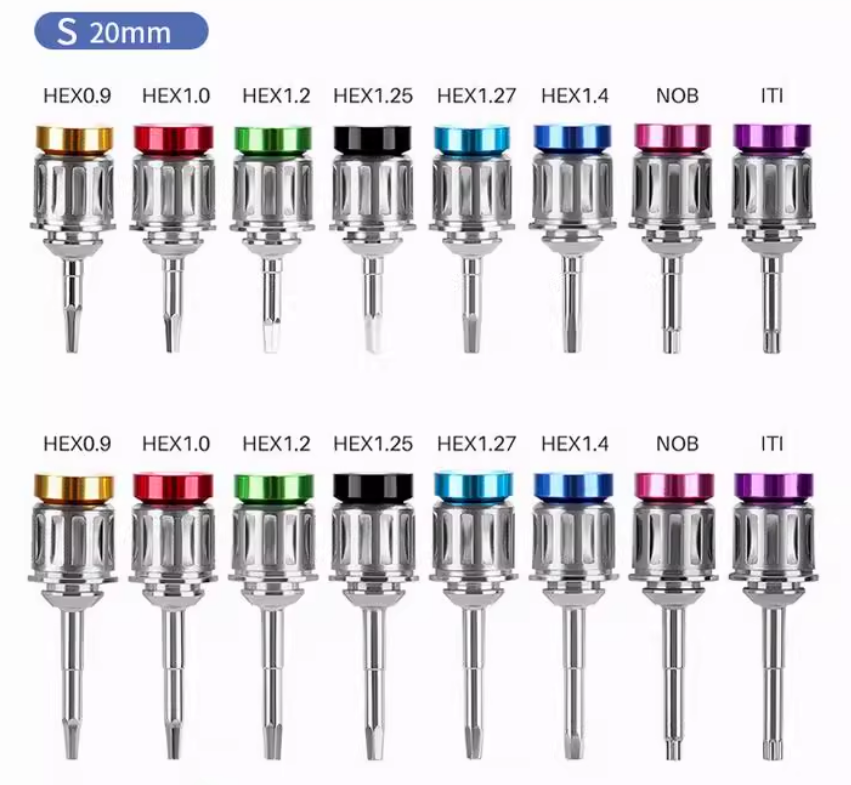
implant systems such as Denton, Yading, Nobel, ITI, etc. Whether it's HEX0.9, 1.0, 1.2, 1.25, 1.27, 1.4, or non-standard interfaces such as NOB and ITI, one box can meet the needs of multiple brands, truly achieving the
goal of "one box in hand, all systems available".
Professional scenarios covering the entire process of planting and restoration
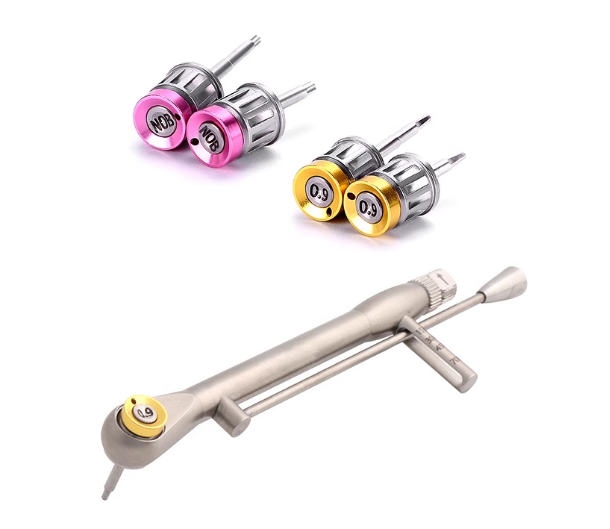
This tool box is not only suitable for oral implant surgery, but also widely used for key steps such as restoration installation, abutment fixation, and crown alignment. Its core component, the Implant Torque Wrench,
has precise torque control capabilities to ensure ideal mechanical performance of the implant and abutment connection.
The material is reliable and supports high temperature and high pressure disinfection. The tools are made of high-quality stainless steel and support high temperature and high pressure sterilization, meeting the
cross control standards of dentistry and ensuring the safety of every patient's treatment. In addition to traditional dental implant and restoration departments, this tool box is also suitable for oral emergency,
general outpatient, and even teaching hospitals and training centers, becoming an essential "standardized equipment" next to the doctor's chair.
Today, with the increasing popularity of dental implants, a restoration tool box that can support across systems, brands, and the entire process is not only a powerful assistant for doctors' clinical work, but also
a key tool for improving diagnosis and treatment efficiency and patient satisfaction. Small yet powerful, specialized yet comprehensive - this is the new direction for the development of modern dental instruments.