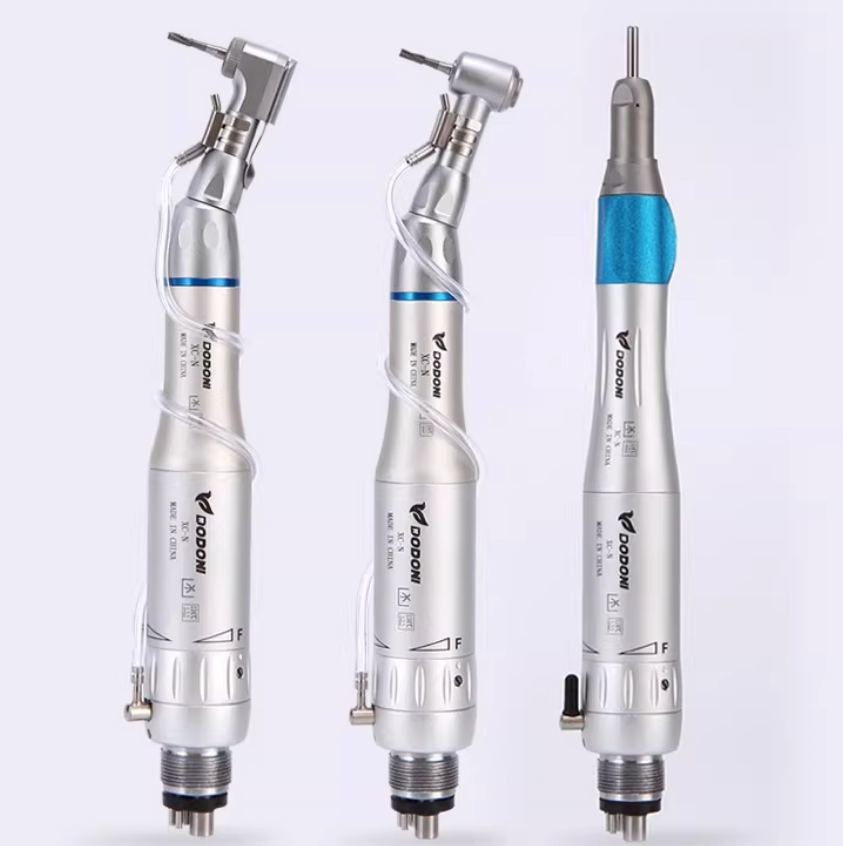
In the intricate world of precision craftsmanship, where millimeter-perfect execution separates the exceptional from the ordinary, a specialized toolset has quietly revolutionized multiple industries. The dental low speed handpiece system—comprising contra-angle handpieces, straight handpieces, and external waterway motors—represents the pinnacle of controlled rotary instrumentation. Originally engineered to meet the exacting standards of dental procedures, where patient comfort and procedural precision are non-negotiable, these tools have demonstrated remarkable versatility. Their migration from dental operatory to diverse professional workshops underscores a universal truth: excellence in fine finishing demands tools of extraordinary control and reliability. The fundamental advantage of any slow speed dental handpiece lies in its ability to deliver consistent, high torque at rotational speeds that prevent material damage, thermal injury, or loss of detail. This makes it indispensable not just for shaping a dental crown's margin, but for any task where the substrate—be it acrylic, composite, ceramic, metal, or even delicate biological materials—requires meticulous abrasion, polishing, or contouring. This intrinsic capability has transformed the low speed handpiece from a niche dental instrument into a cornerstone of modern, precision-focused workflows across fields as varied as aesthetic beauty, artistic creation, and technical restoration.
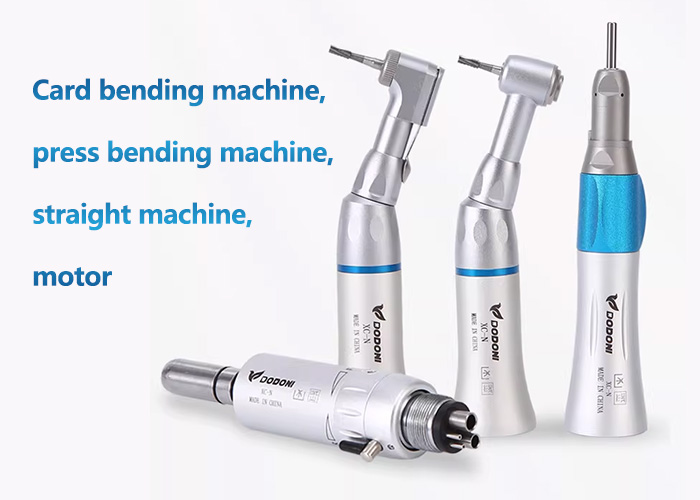
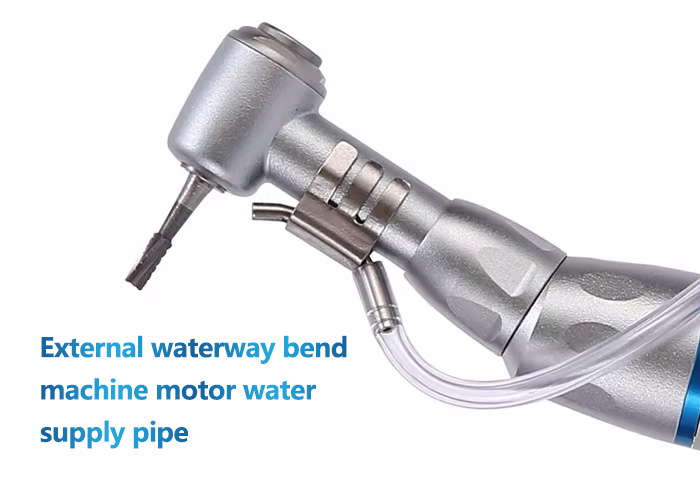
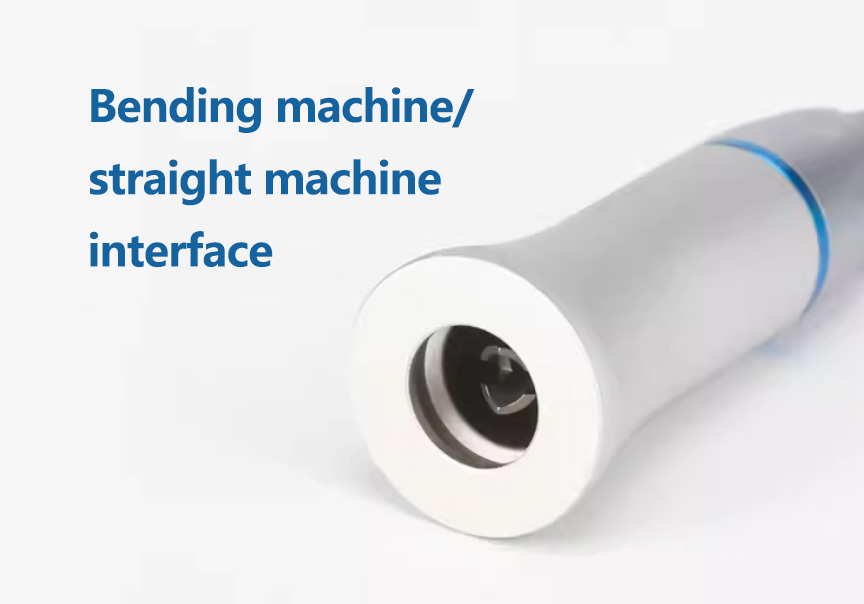
The functional anatomy of these systems reveals why they are so adaptable. A typical professional setup features a central power source—the external waterway motor—that provides stable, continuous drive and incorporates cooling mechanisms to manage heat generation during prolonged use. To this, practitioners attach either a straight handpiece, ideal for broader surface work and providing excellent stability for reduction, or the more versatile contra-angle handpiece. The contra-angle design, exemplified by models like the WBX dental handpiece, is engineered for unparalleled access to confined spaces, its angled head navigating complex geometries with ease. Variations include push-button styles for quick bur changes and card-type systems that allow for rapid adjustment of the head angle itself, offering unparalleled adaptability to the task at hand. Whether designated as a slow speed prophy handpiece for polishing or a general-purpose contra-angle for preparation, each component is built to mitigate vibration and run with a quiet, smooth consistency. This synergy between power, precision, and ergonomic design creates a system where the tool becomes a seamless extension of the operator's intention, capable of executing everything from gross reduction to achieving a flawless, high-gloss polish on the most challenging surfaces.
Beyond the familiar environment of the dental clinic and laboratory, the dental low speed handpiece has found profound utility in a spectrum of unexpected yet demanding applications. In the beauty industry, particularly in high-end nail artistry, these tools have become game-changers. Technicians utilize slow speed handpiece units to sculpt intricate 3D nail designs, carefully refine acrylic overlays, and polish enhancements to a glass-like shine with a precision unattainable by traditional manual files or larger, less-controlled rotary tools. Similarly, in the world of scale modeling, miniature painting, and figurine creation, artists rely on these instruments to remove mold lines, smooth seams, texture surfaces, and polish delicate components without risking damage to the fragile underlying material. The conservation and restoration sectors have also embraced this technology; conservators use slow speed dental handpiece systems to gently clean corrosion from archaeological finds, smooth repair edges on ceramics or stone, and polish restoration materials on historical artifacts without imparting harmful stress or heat. Even in specialized manufacturing, such as the fine-tuning of custom eyewear frames or the meticulous finishing of small-batch jewelry prototypes, the controlled power of a low speed handpiece proves invaluable. This cross-industry adoption is no accident—it is a direct response to the growing demand for industrial-grade precision in increasingly refined creative and technical pursuits.
In conclusion, the journey of the dental low speed handpiece from a specialized medical device to a multi-industry precision instrument is a testament to brilliant, human-centric engineering. It highlights how tools developed under the stringent requirements of healthcare—where outcomes directly impact well-being—often embody a level of quality, safety, and performance that can elevate craftsmanship in any field. The WBX dental handpiece, the slow speed prophy handpiece, and their counterparts in a complete system are more than mere tools; they are enablers of perfection. They empower the nail artist, the model-maker, the conservator, and the dental technician alike to push the boundaries of what is possible in surface finishing. As the lines between professional disciplines continue to blur in the pursuit of exquisite detail, the role of these versatile handpiece systems will only grow more central. They stand as a powerful reminder that true precision is universal, and the pursuit of the flawless finish is a common language spoken by masters of craft across the globe.