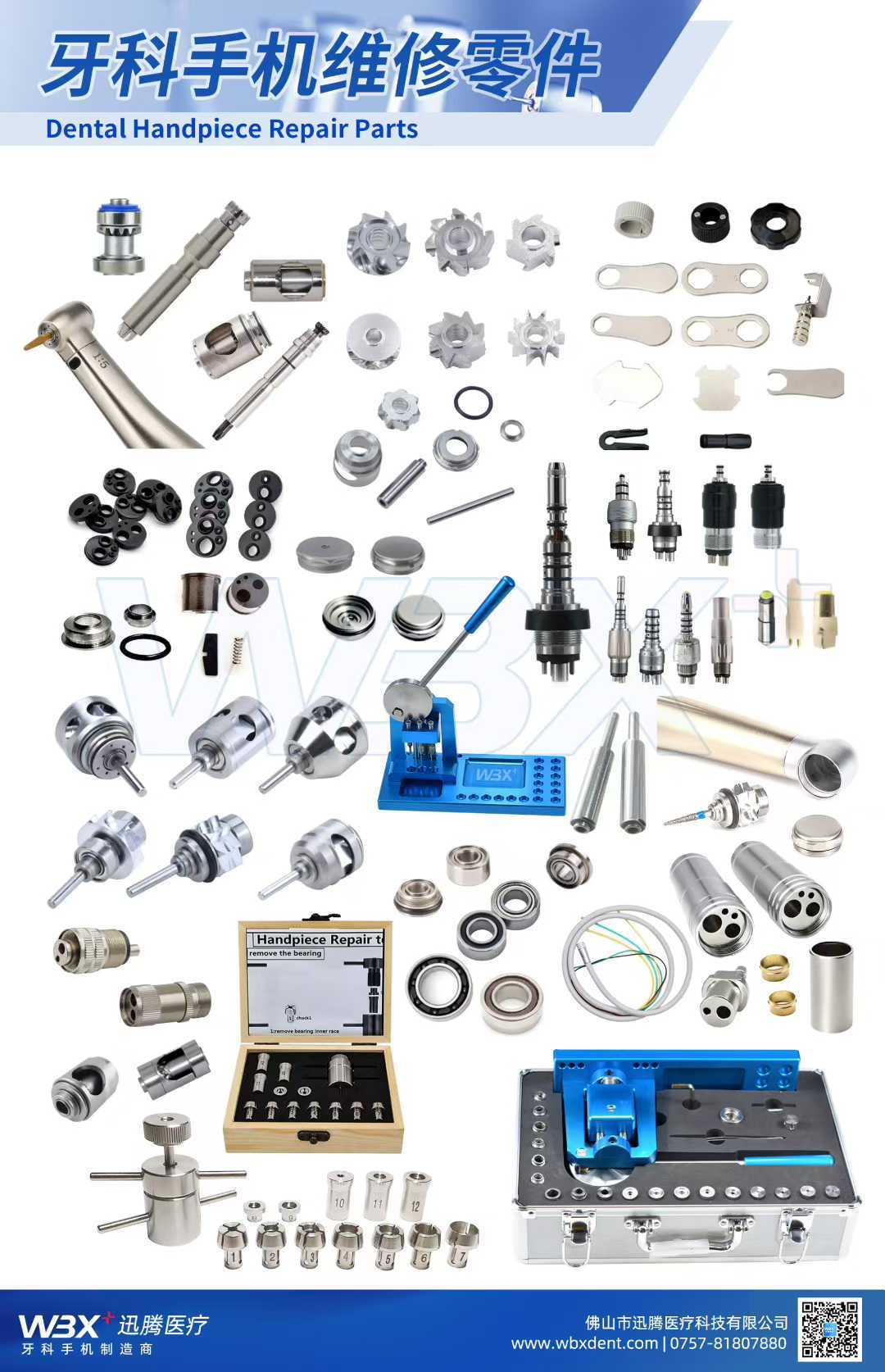
Comprehensive Cross-Brand Repair Solutions
The modern dental practice operates with equipment from multiple manufacturers, each with distinct engineering specifications and component architectures. When handpieces falter—exhibiting diminished torque, irregular vibrations, or inconsistent spray—clinical workflows encounter disruptive pauses. Dental handpiece repair becomes essential, yet many repair services face limitations with certain brands or models due to proprietary parts and specialized tooling requirements.
As both a manufacturer and service provider, we bridge this gap. Our repair division maintains technical documentation and component inventories for leading global brands alongside our own WBX and Xunteng product lines. This dual perspective—combining manufacturing expertise with broad service experience—enables us to address failures that other repair centers may deem incompatible or uneconomical.
Technical Assessment Protocol
Each device undergoes systematic evaluation upon arrival at our service center. The assessment includes turbine rotation analysis, bearing wear measurement, air and water channel integrity testing, and chuck mechanism precision verification. We document baseline performance metrics against original specifications, identifying both immediate faults and potential future failure points.
This diagnostic approach allows us to determine repair feasibility for devices that might otherwise be considered beyond serviceable life. For aging equipment, we provide transparent recommendations regarding repair versus replacement, considering long-term reliability and total cost of ownership. Approximately 15% of devices submitted reveal previously undetected issues that, if unaddressed, would lead to premature failure.
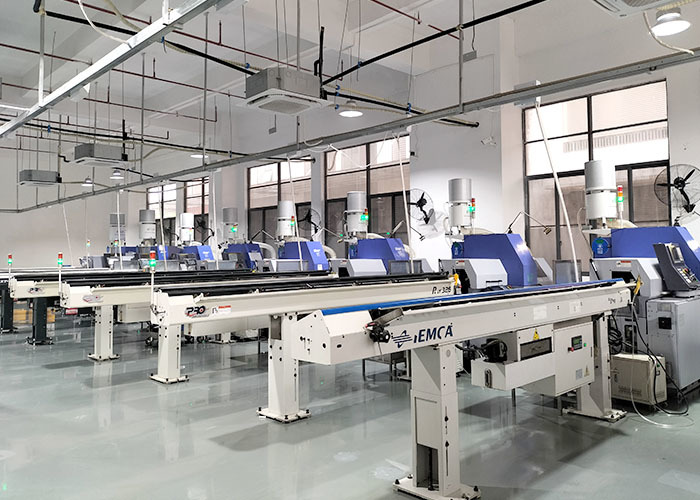
Manufacturer-Enabled Repair Advantages
Our manufacturing foundation provides distinctive benefits in the repair domain. We maintain original equipment manufacturer (OEM) calibration standards for all repaired devices, utilizing precision balancing equipment that ensures vibration levels remain within 0.2 m/s². The component replacement process draws from genuine OEM parts when available or precision-engineered alternatives that meet or exceed original specifications.
Advanced repair cases often involve custom component fabrication—a capability derived directly from our production facilities. This proves particularly valuable for discontinued models or devices with proprietary fastening systems uncommon in the broader market. Each repaired handpiece returns to clinical service with performance validation demonstrating rotational accuracy within ±3% of original specifications.
Multi-Brand Compatibility Engineering
The diversity of dental handpiece designs presents ongoing technical challenges. Our engineering team maintains a continuously updated compatibility database tracking interface specifications, torque requirements, and sterilization protocols across product generations. This knowledge base informs both repair methodologies and preventative maintenance recommendations specific to each device category.
We've developed specialized adapters and tooling to service less common connection types, particularly in implantology handpieces and specialized surgical devices. This investment in cross-platform compatibility enables repair success rates exceeding 94% across submitted devices, including many models that manufacturers no longer support through their own service networks.
 Sterilization Integrity Restoration
Post-repair performance must extend beyond mechanical function to encompass infection control reliability. We conduct pressure testing on all internal channels and assess autoclavable component integrity through accelerated aging protocols. Seals and O-rings receive particular attention, with replacement using medical-grade materials rated for extended sterilization cycles.
The restoration process includes surface refinishing where appropriate, removing microscopic imperfections that could harbor biological contaminants. Final validation includes testing under simulated clinical conditions, ensuring the device maintains performance through temperature variations encountered in sterilization cycles.
Quality Assurance and Performance Validation
Every repaired handpiece completes a rigorous validation protocol before release. This includes dynamic balancing verification, maximum no-load speed measurement, torque output under load, and spray pattern consistency. Testing equipment replicates clinical conditions while collecting quantitative performance data for documentation.
The validation report accompanying each returned device details pre-repair conditions, replaced components, final performance metrics, and maintenance recommendations. This documentation supports compliance requirements while providing practices with actionable insights to extend device lifespan through proper handling and preventative care.
Research initiatives explore advanced materials for high-wear components and design modifications that facilitate future serviceability. This forward-looking approach ensures our repair capabilities remain aligned with developing dental technologies.