
1. Core Technology: How Light is Delivered
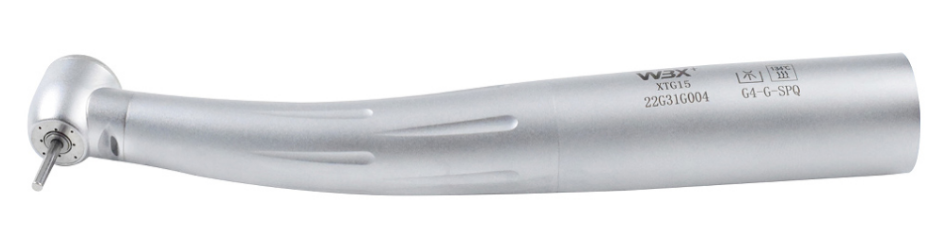
Fiber Optic Handpiece: Transmits light from the dental unit's main
light source through a dedicated fiber optic bundle directly
to the handpiece tip. This provides bright,
shadow-free illumination right at the bur.
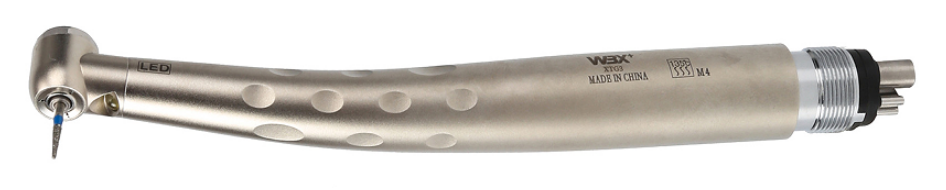
Non-Fiber Optic Handpiece: Uses a self-contained LED bulb within the
handpiece head. Light intensity is generally lower and can
create shadows, as the source is beside the bur.
2. Key Performance Comparison
Brightness & Clarity:
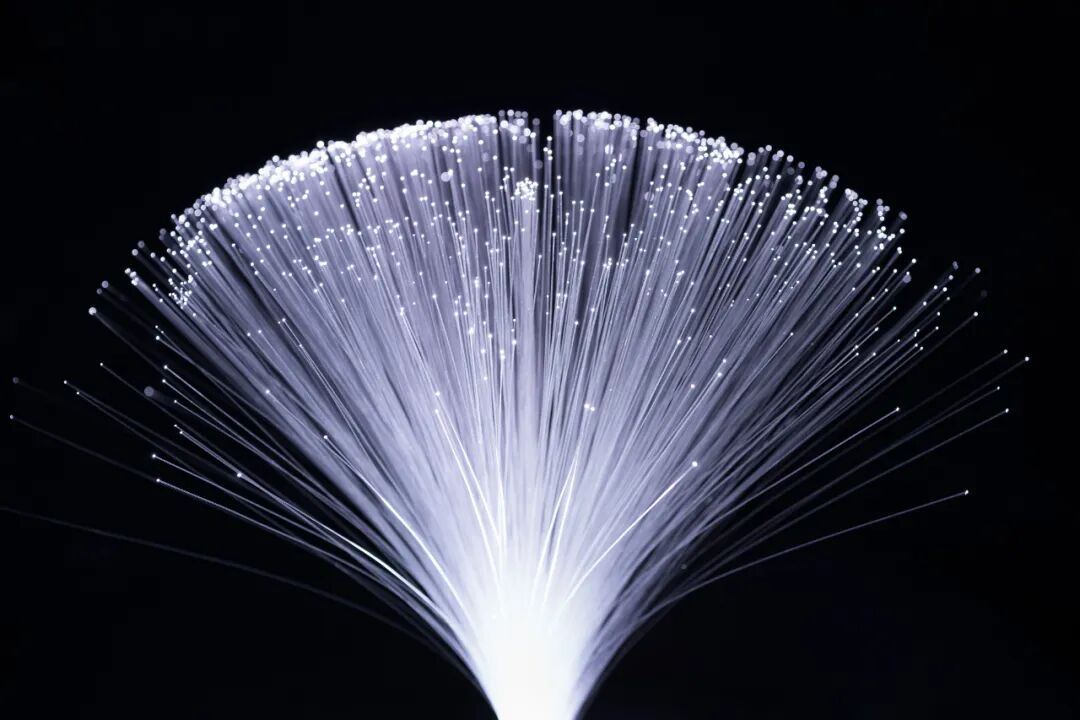
Fiber Optic: Superior light intensity and focus, essential for
precision in procedures like endodontics.
Non-Fiber Optic: Adequate for basic tasks, but weaker illumination
may hinder visibility in complex cases.
Durability & Maintenance
Fiber Optic: No bulb to replace; the illumination system has a long
lifespan, reducing long-term costs.
Non-Fiber Optic: The built-in LED will eventually require replacement,
adding to maintenance needs.
Heat Emission
Fiber Optic: Delivers "cold light," minimizing heat transfer to the tooth.
Non-Fiber Optic: The internal bulb may generate slight heat.
3. Choosing the Right Handpiece
Choose a Fiber Optic Handpiece if:
You perform high-precision work (e.g., endodontics, micro-dentistry).
Your dental unit has a compatible fiber optic port.
You prioritize long-term durability and optimal performance.
A Non-Fiber Optic Handpiece may suffice if:
Your practice focuses on basic examinations and simple restorations.
Budget constraints are a primary concern.
Compatibility with older equipment is needed.

4. Conclusion
The choice between fiber optic and non-fiber optic handpieces
centers on the value of clear vision. Fiber optic technology offers
brilliant, reliable illumination that enhances precision and reduces
eye strain. Investing in the right dental handpiece is an investment
in clinical excellence and superior patient outcomes.